Quartz Events Sponsor Matching Companies: Top Picks for B2B Executive Summits
Finding the right partner for executive-level engagement is one of the toughest challenges facing modern B2B marketing teams. This is where quartz events sponsor matching companies come into play, offering a smarter alternative to traditional trade show booths. Instead of hoping the right buyer walks by, these platforms use curated data and structured processes to connect sponsors directly with senior decision-makers who actually fit their ideal customer profile.
This article breaks down how these matching models work, who the major players are, and what sponsors should evaluate before signing a contract. Whether you’re new to invitation-only summits or looking to compare vendors, understanding the landscape of quartz events sponsor matching companies will help you make a more informed, ROI-focused decision.
What Are Quartz Events Sponsor Matching Companies?
Quartz Events is a B2B invitation-only executive summit producer that pairs corporate sponsors with pre-vetted senior decision-makers through data-driven algorithms and manual curation. Rather than relying on open-floor exhibition halls, the model guarantees structured one-on-one meetings between sponsors and qualified buyers, saving both sides significant time and effort while improving the odds of meaningful business outcomes from each event.
The broader category of quartz events sponsor matching companies includes several established players offering similar curated-meeting formats. These firms typically operate closed-door, executive-only summits across industries like IT, finance, marketing, HR, and legal operations, positioning themselves as an efficient alternative to sprawling conventions where sponsors compete for attention amid thousands of attendees and limited qualified leads.
What separates this category from standard conference sponsorships is intent. Attendees at these summits are often invited specifically because they have active projects, budgets, or pain points aligned with sponsor offerings. This intent-driven structure is why many B2B marketing and sales leaders now prioritize matching-based summits over traditional expo-style sponsorships when planning annual pipeline-generation strategies.
How the Sponsor Matching Model Works
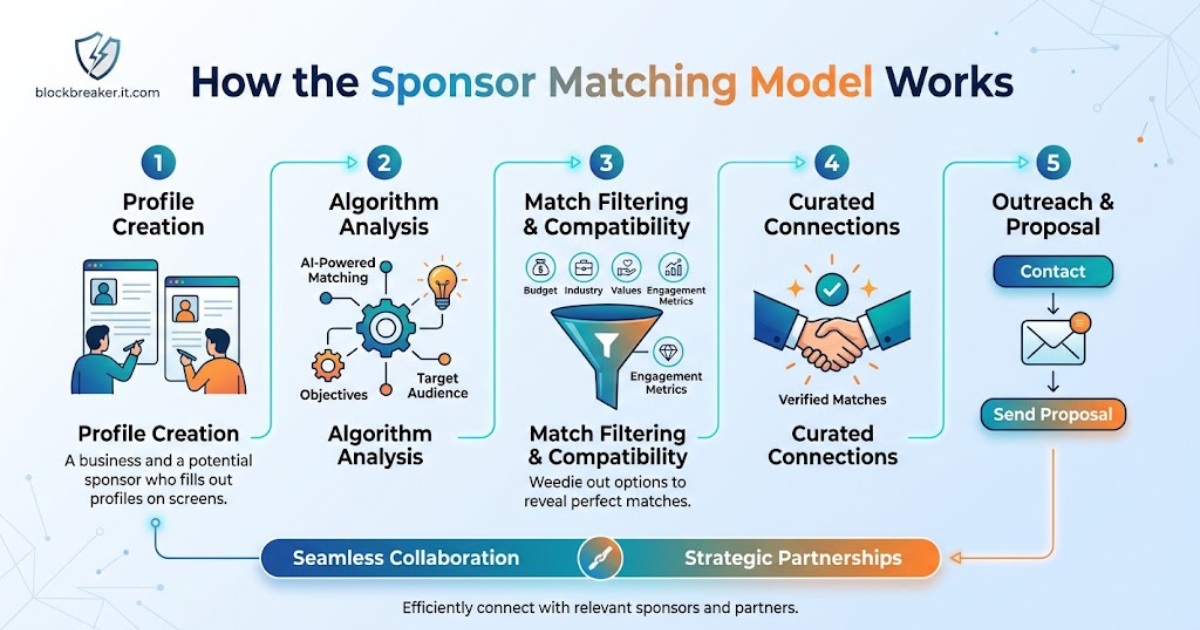
The mechanics behind quartz events sponsor matching companies rely heavily on data collection before the event even begins. Sponsors typically receive granular prospect profiles, including job titles, company size, industry vertical, and stated priorities, allowing them to evaluate fit well in advance. This pre-vetting step reduces wasted meetings and ensures sponsors only engage with attendees who match their target account criteria.
Guaranteed meetings are the core value proposition of this model. Depending on the sponsorship tier, contracts often secure anywhere from 15 to 120 scheduled one-on-one appointments throughout the summit. This predictable meeting volume gives marketing and sales teams a clearer basis for calculating expected pipeline value, something traditional booth sponsorships rarely offer with any real accuracy.
Mutual intent is another defining feature that separates matching-based events from generic conferences. Both the buyer and the sponsor typically review and approve proposed meeting schedules, ensuring neither party is forced into irrelevant conversations. This two-way selection process is central to why companies exploring quartz events sponsor matching companies consistently report higher-quality conversations compared to cold booth interactions.
Top Quartz Events Sponsor Matching Companies and Alternatives
Several established competitors operate in this same curated-summit space, each with slightly different focuses. Evanta facilitates leadership-driven, peer-to-peer networking communities alongside exclusive executive summits built specifically for C-suite leaders, emphasizing community-building alongside sponsor engagement. Argyle Executive Forum takes a similar approach, connecting senior marketing, technology, and finance executives through both virtual and in-person forums.
Marcus Evans is another notable name among quartz events sponsor matching companies, running structured B2B economic and business summits with a strong focus on targeted, match-made client meetings across global markets. Gartner Peer Insights & Summits combines large-scale executive conferences with embedded solution-provider matching, giving sponsors access to Gartner’s extensive research-driven attendee base.
Consero rounds out the competitive landscape by designing invitation-only events tailored specifically for legal, corporate, and operational leaders, appealing to sponsors targeting niche functional buyers. When comparing these alternatives, sponsors should weigh factors like audience specificity, meeting guarantees, and industry focus rather than assuming all matching-based summit providers deliver identical results or audience quality.
Key Benefits of Using Sponsor Matching Platforms
One of the biggest advantages of working with quartz events sponsor matching companies is efficiency. Sales and marketing teams spend far less time chasing unqualified leads because the pre-vetting process filters out mismatched attendees before the event even starts. This means every meeting slot carries a higher probability of translating into a genuine sales opportunity or pipeline addition.
Predictability is another strong selling point. Because meeting counts are contractually guaranteed, sponsors can forecast expected engagement volume and build more accurate ROI models around each sponsorship investment. This is a meaningful shift from traditional trade shows, where booth traffic and lead quality can vary wildly depending on venue placement, timing, and unpredictable attendee behavior.
Executive access is arguably the most valuable benefit. Traditional marketing channels often struggle to reach senior decision-makers directly, but curated summit formats are specifically designed to bring C-suite and VP-level buyers into direct conversation with sponsors. For companies selling high-value enterprise solutions, this direct access can meaningfully shorten sales cycles compared to standard outbound or inbound lead generation.
What to Look for Before Choosing a Sponsor Matching Company

Not all matching-based summit providers offer the same level of data transparency. Before signing a sponsorship agreement, companies should request detailed information about attendee vetting criteria, including job function, seniority, and stated project timelines. Vague or overly broad targeting criteria can be a warning sign that the guaranteed meetings may not deliver the qualified engagement sponsors expect.
Industry focus matters significantly when evaluating quartz events sponsor matching companies and their competitors. A summit built around legal operations leaders will naturally serve a legal tech sponsor better than a generalized business conference. Sponsors should confirm that a provider’s audience aligns tightly with their ideal customer profile rather than assuming broad executive access automatically translates into relevant conversations.
Pricing structure and meeting guarantees deserve equal scrutiny. Since contracts often specify a fixed range of appointments, sponsors should clarify what happens if the promised meeting count isn’t met, whether refunds, credits, or make-good meetings are offered. Understanding these contractual protections upfront helps avoid disappointment and ensures the sponsorship investment is genuinely accountable to performance.
Common Challenges With Executive Summit Sponsorships
Despite their advantages, curated summit models aren’t without limitations. Because meetings are pre-scheduled and approved by both parties, sponsors have less flexibility to pivot mid-event toward unexpected opportunities that might arise organically, something that occasionally happens at open-floor trade shows where spontaneous conversations can lead to valuable connections outside the original targeting criteria.
Cost is another consideration worth noting. Guaranteed meeting formats, including those offered by quartz events sponsor matching companies, often carry premium pricing compared to standard booth sponsorships, since the value proposition centers on quality over quantity. Smaller companies or startups with limited marketing budgets may need to carefully weigh whether the higher cost per meeting justifies the improved lead quality for their specific sales cycle.
Attendee no-shows, while less common than at open conferences, can still occur and disrupt carefully planned schedules. Sponsors should ask potential providers about their historical no-show rates and what contingency processes exist to fill gaps, ensuring the guaranteed meeting count translates into actual, productive conversations rather than empty calendar slots on the summit day itself.
Conclusion
Choosing among quartz events sponsor matching companies ultimately comes down to aligning audience specificity, meeting guarantees, and pricing with your organization’s sales goals. The curated, data-driven approach offers a compelling alternative to traditional trade show sponsorships, particularly for companies targeting senior decision-makers with longer, more complex sales cycles that benefit from focused, intent-driven conversations.
Before committing to any provider, whether Quartz Events itself or alternatives like Evanta, Argyle, Marcus Evans, Gartner, or Consero, take time to evaluate vetting criteria, industry fit, and contractual protections. A well-matched summit sponsorship can significantly outperform traditional lead generation channels, but only when the underlying data and targeting genuinely reflect your ideal customer profile.